From input to intent: Building the foundation for AI that acts on seller problems

Specifications

  • Strategy
  • UX
  • UI
  • Agentic Ai
  • Prototyping

From input to intent: Building the foundation for AI that acts on seller problems

Specifications

  • Strategy
  • UX
  • UI
  • Agentic Ai
  • Prototyping

the problem

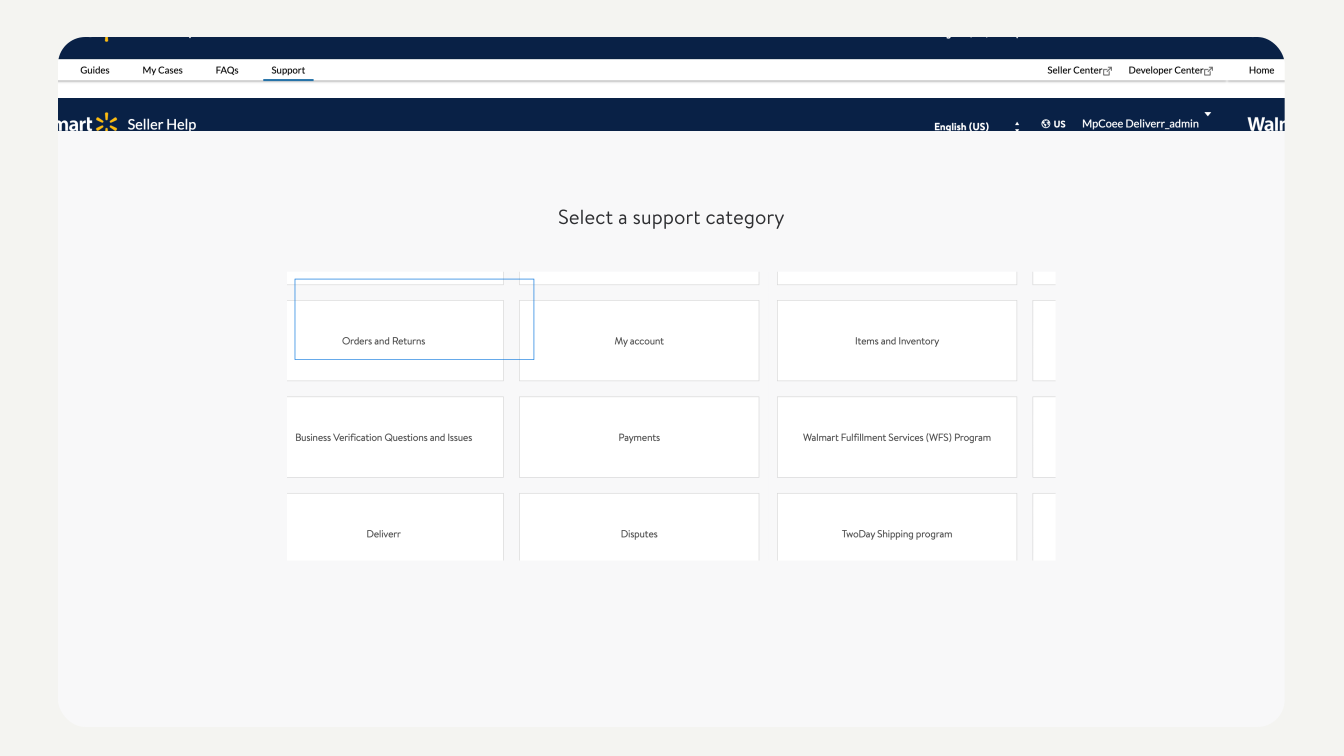
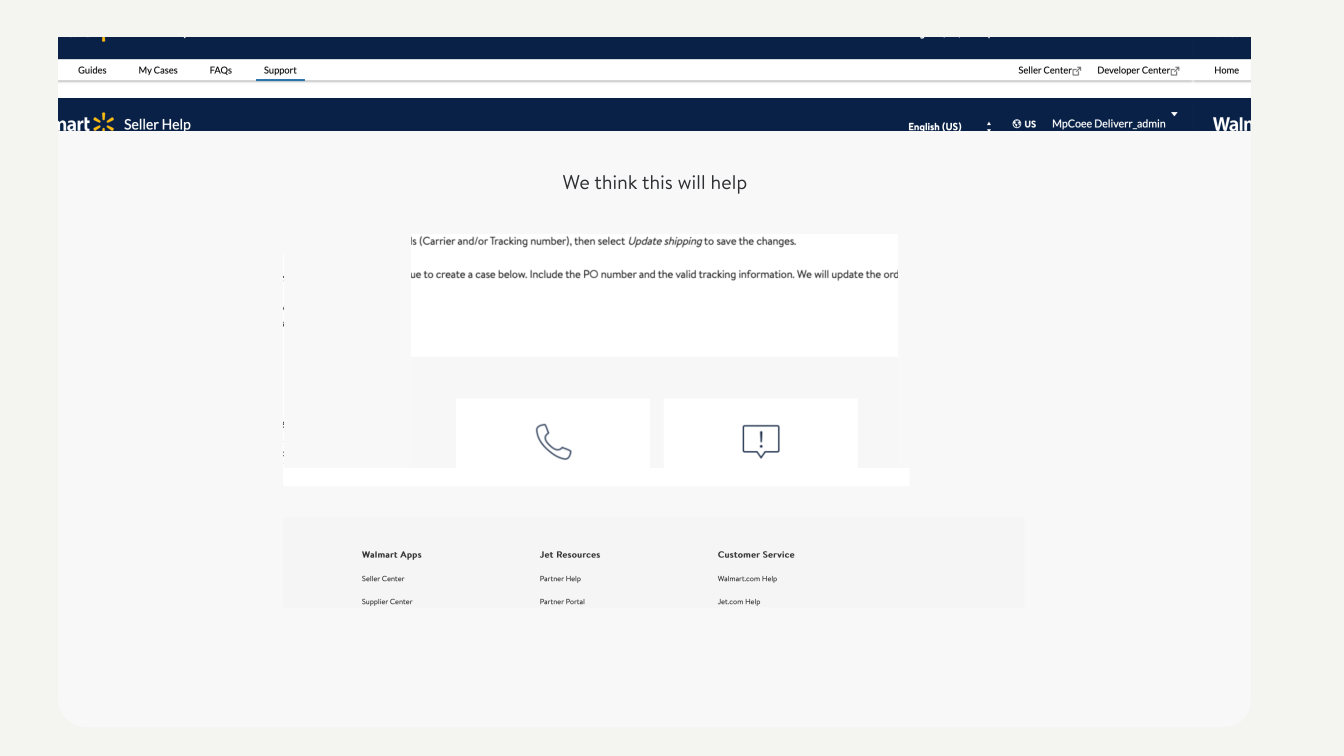
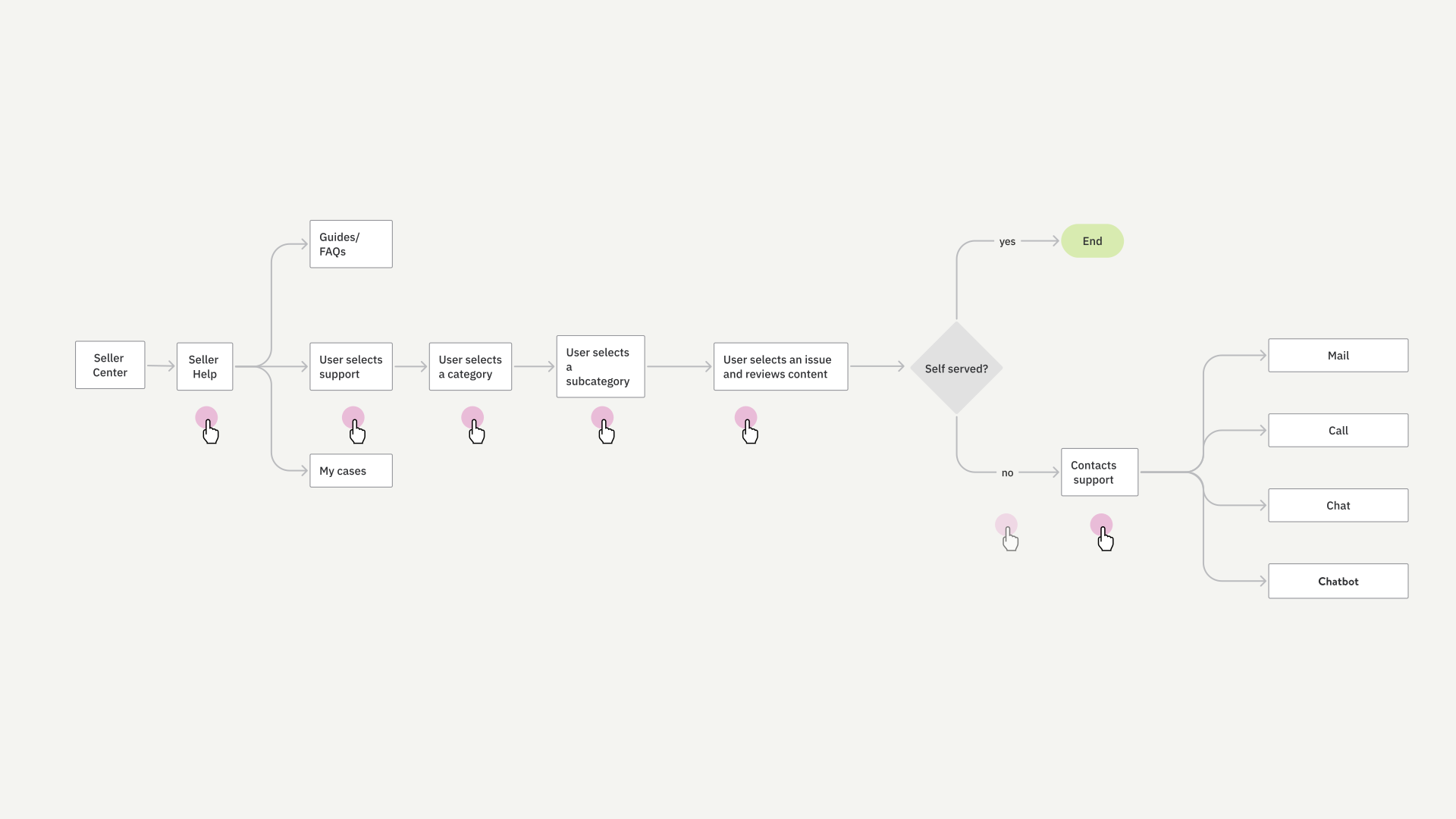
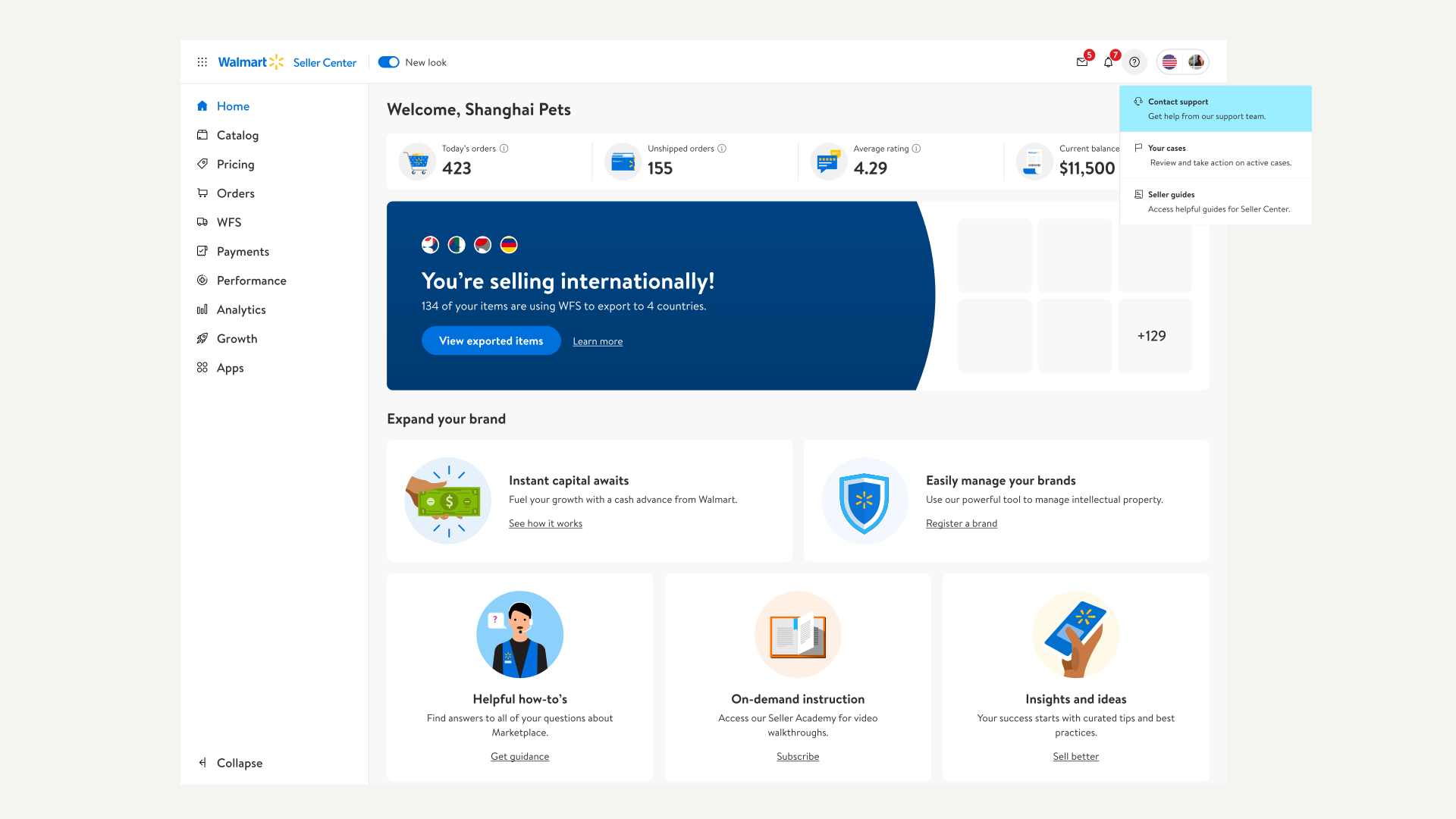
Seller support lived outside Seller Center. Getting to an agent required 7-9 clicks, a detour through a separate site, and proof that self-service had already failed. 39% of sellers gave up before creating a case.

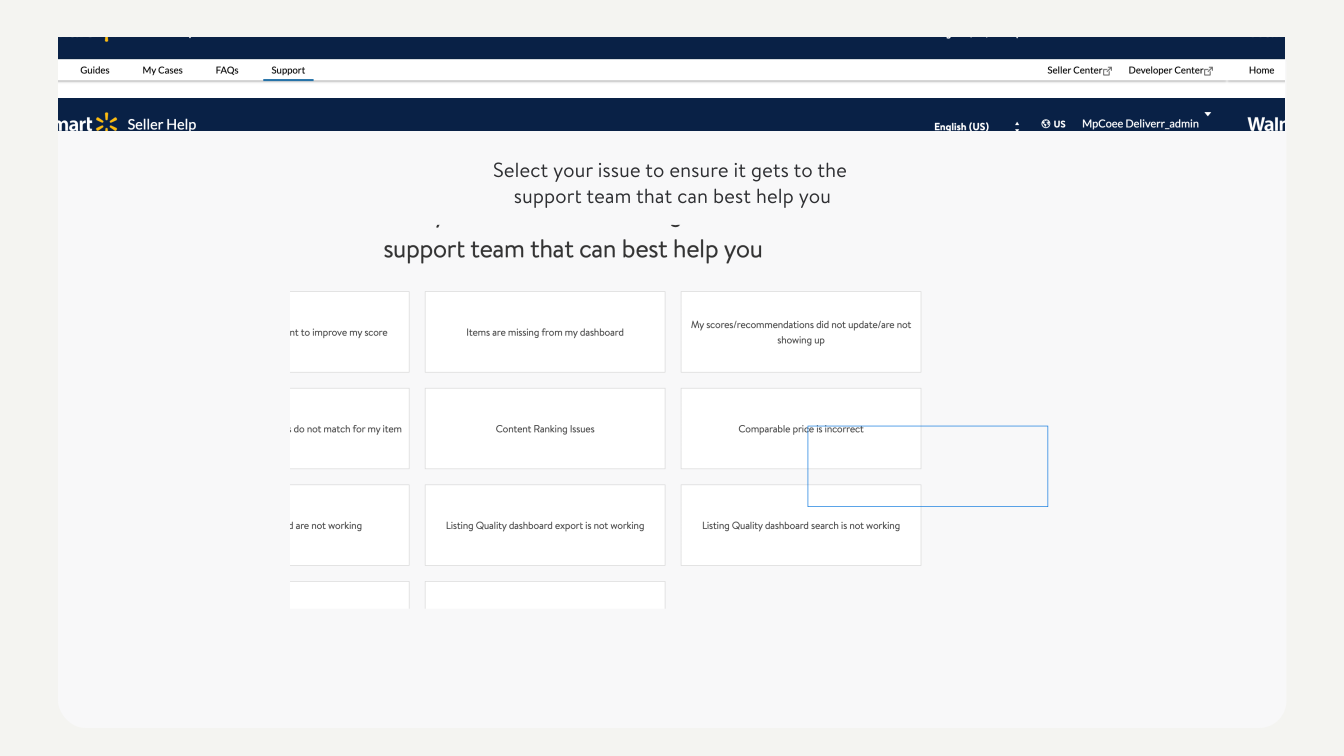
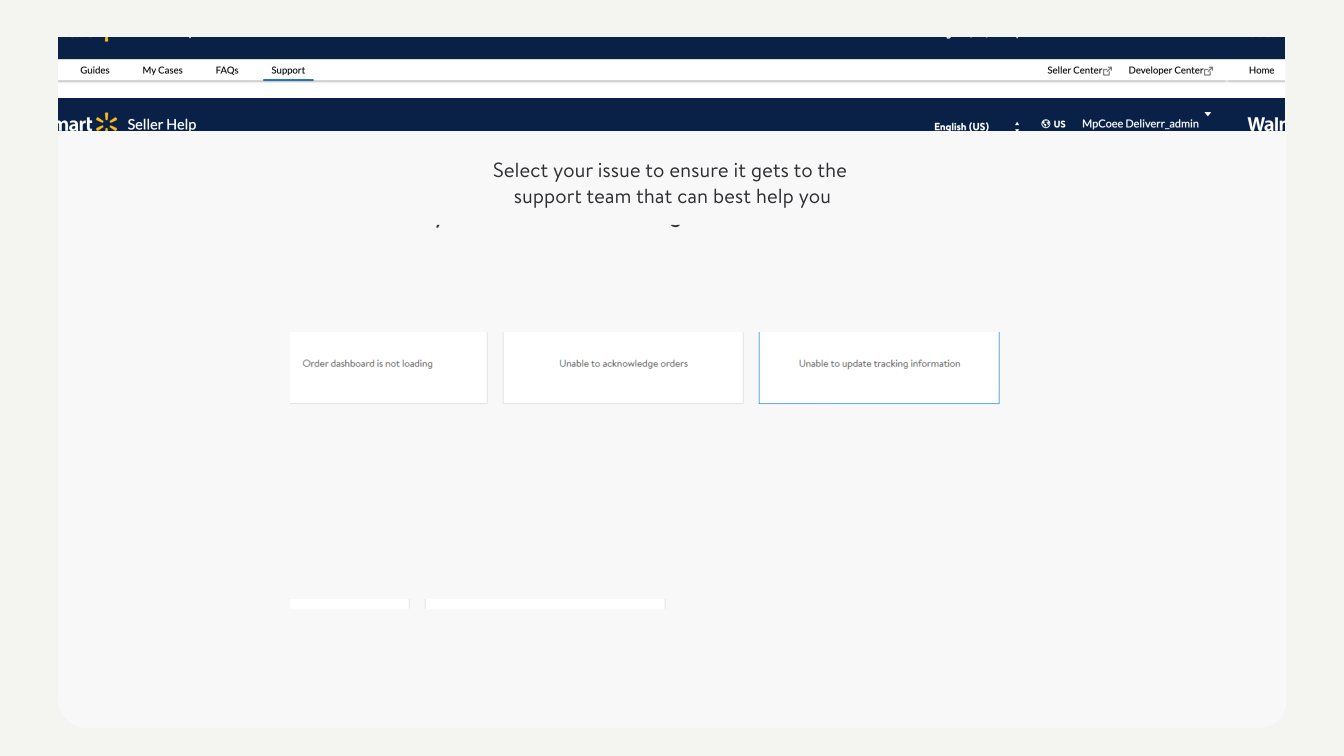
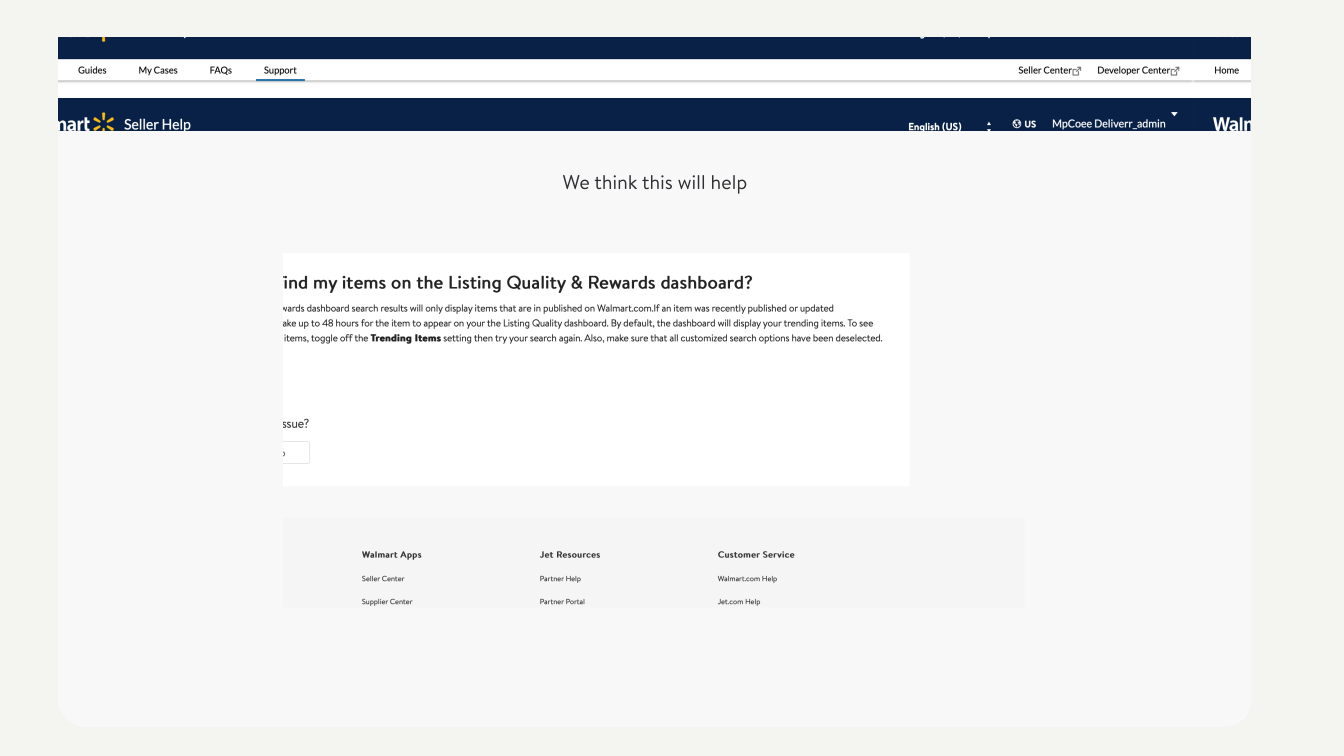
The flow forced sellers to navigate multiple pages of issue categories, interpret system-defined labels that rarely matched how they thought about their problem, and mark help articles as unhelpful just to unlock contact options. By the time a case was created, both the seller and the agent were starting from a bad position.

The experience was hosted outside Seller Center

The destination was a separate platform with unclear paths and no guaranteed outcome.

Up to 9 clicks through a blackbox

the workshop

The team ran cross-functional workshops to define what good seller support looks like before designing it.

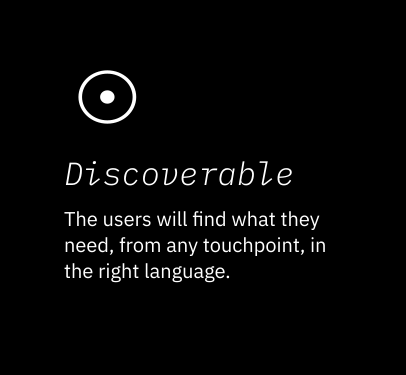
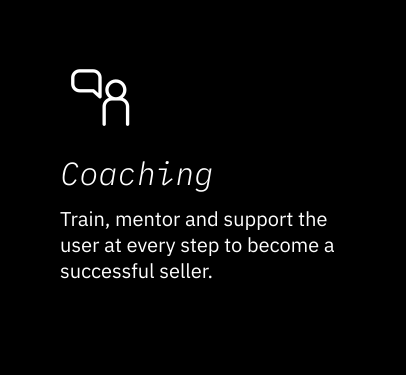
Six principles came out of those sessions. They gave Design, Product, Engineering, Business, and Data Science a shared language to build from.

the vision

At Walmart, we empower sellers through training, mentoring and support to efficiently grow their business as trusted partners.

How might we:

• Create “Self-service” solutions for autonomy in problem solving.
• Democratize access to information and solutions.
• Centralize support solutions within Seller Center.

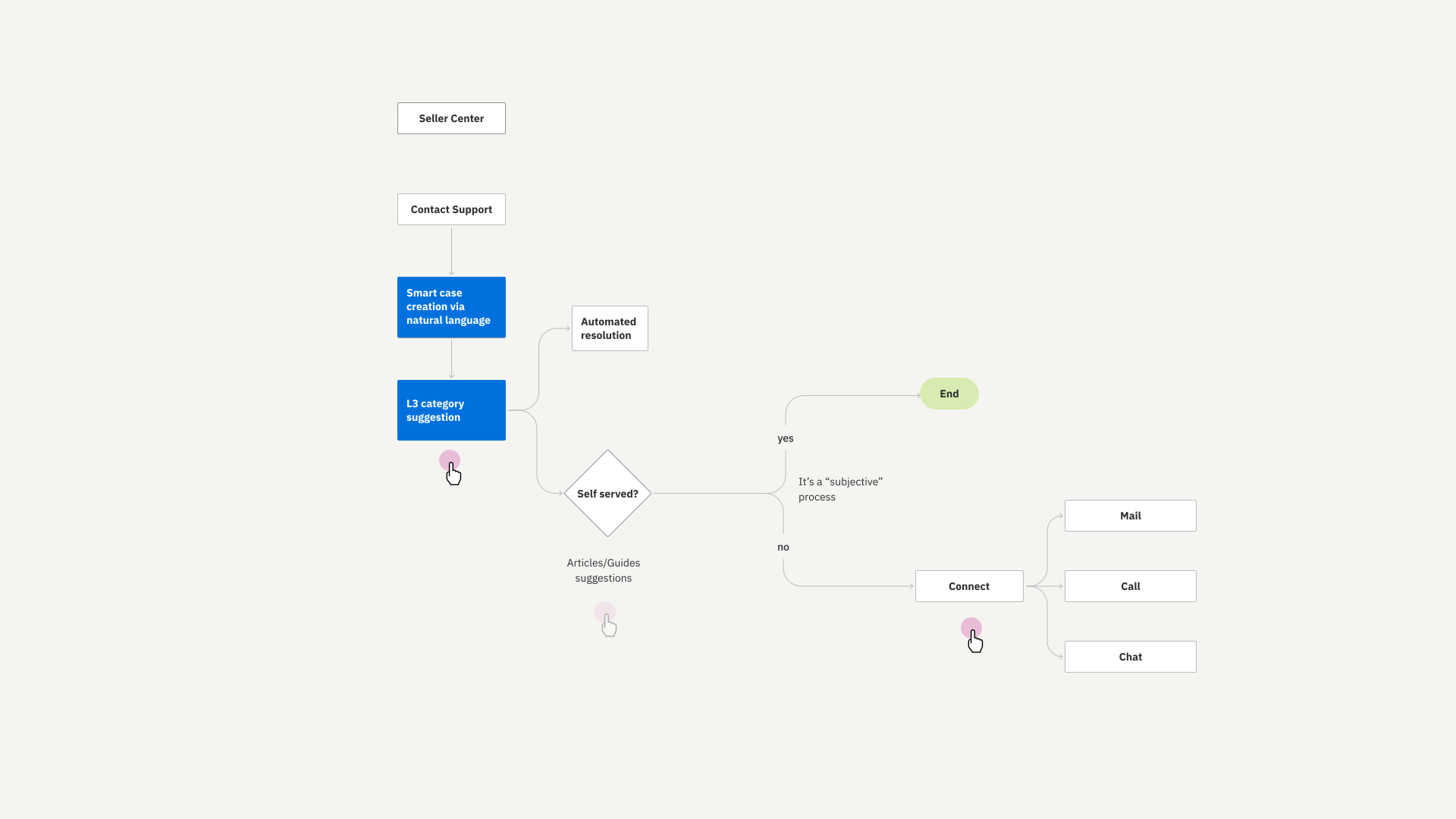
Smart Case creation

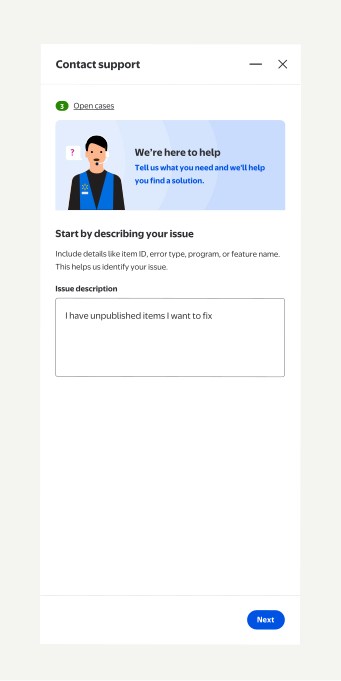
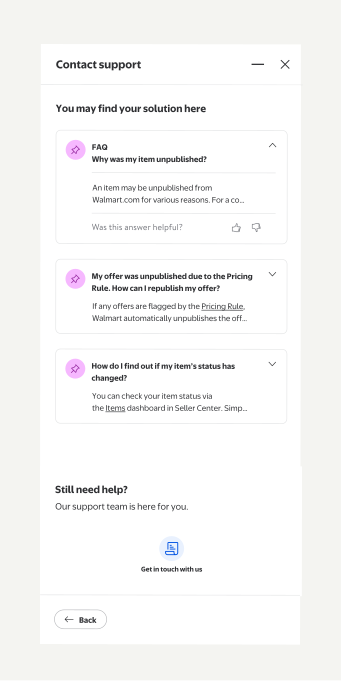
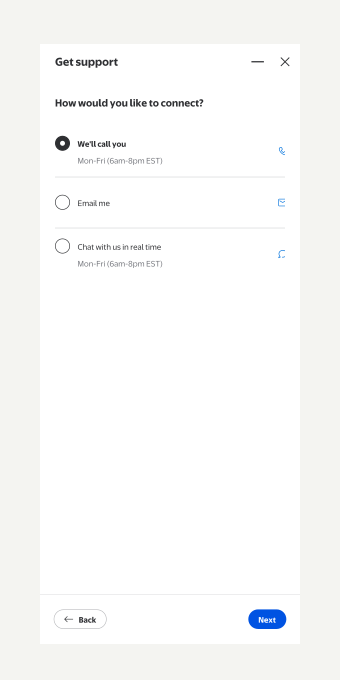
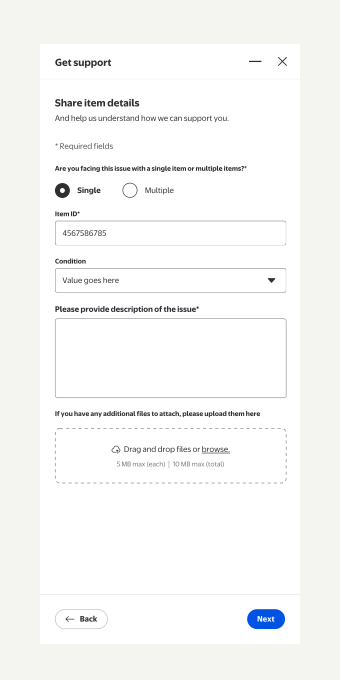
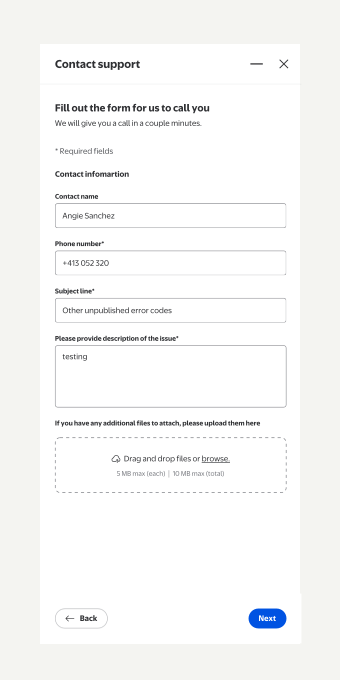
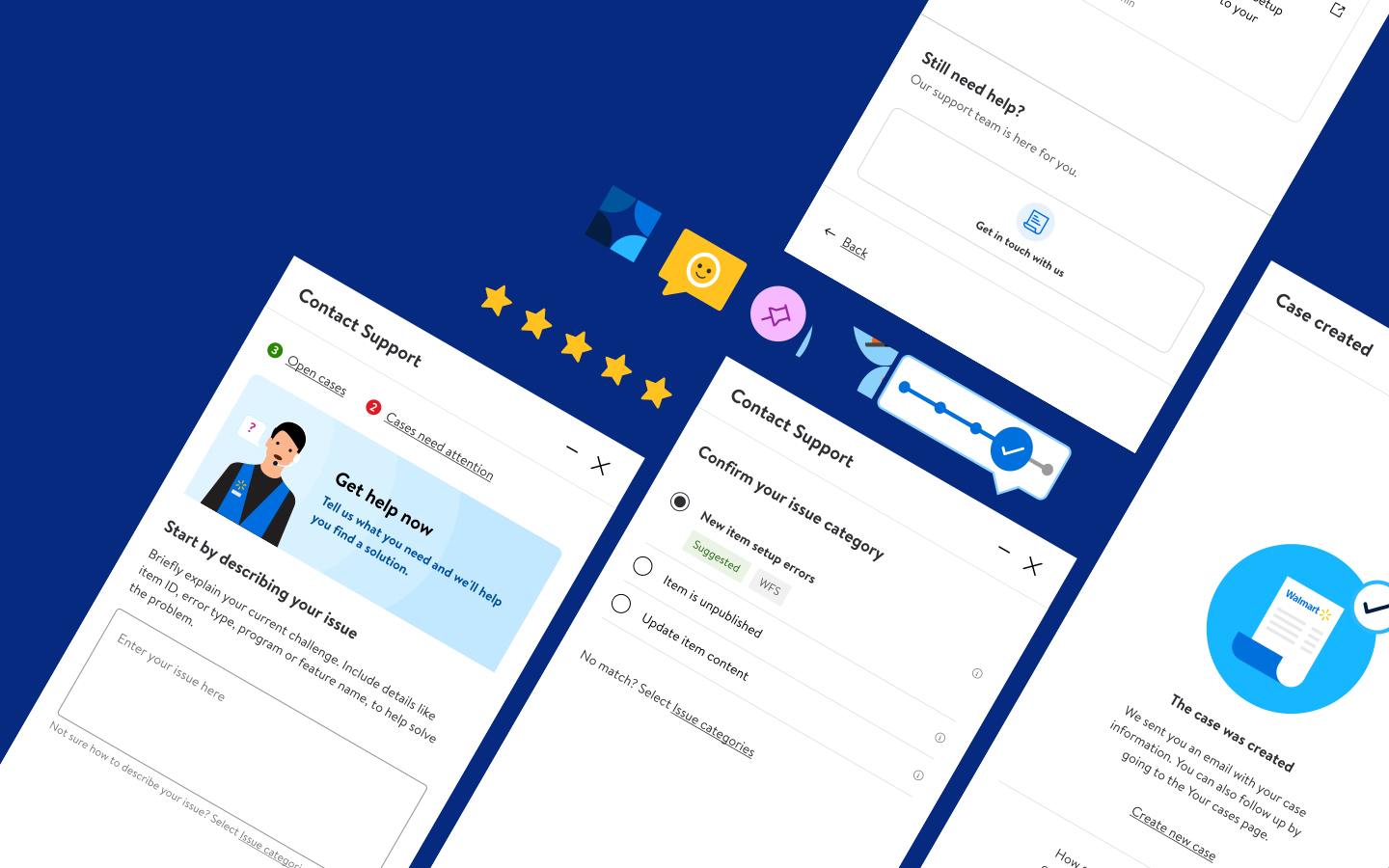
The solution put the six principles to work in a single, embedded experience. Support moves into Seller Center as a persistent side panel, so sellers get help from any page, at any point in their journey. The panel speaks in plain language, meets sellers where their understanding is, and guides them step by step without demanding they know how Walmart classifies issues internally.

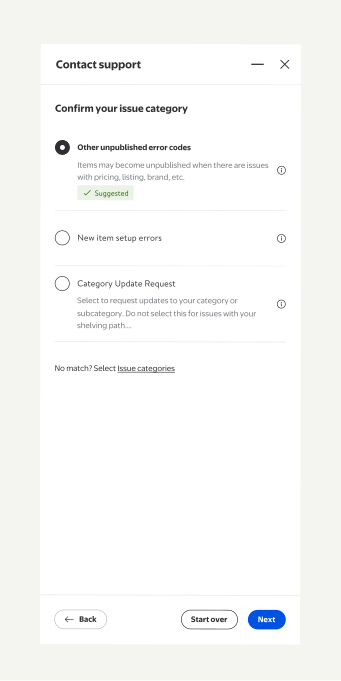
The AI reads intent and predicts the correct issue category with over 85% accuracy. That is the first real expression of a progressively agentic model: the system takes on a task sellers used to do manually, under friction, and often got wrong. The architecture is built to hand more of that work to the AI over time, moving from smart routing today toward autonomous resolution tomorrow.

Key screens

Iteration

Rapid prototyping

The challenge was handling over 300 issue categories without exposing that complexity to the seller.

The interaction models explored here move along a spectrum, from structured and guided toward fully conversational. For the first launch, the team chose the most direct path: a stepped flow that balances speed of implementation with the breadth and uniqueness of seller issues. That decision was practical, not permanent. Each category is a future automation point. As agentic capabilities mature, the model will take action directly, hand off to a human agent where judgment is required, and ask sellers only for what it cannot resolve on its own.
The card model guides sellers through one step at a time. Each section reveals the next, keeping the flow lightweight and the decisions small. The pattern mirrors a familiar checkout experience, so sellers know instinctively how to move forward. Visuals stay out of the way and let structure do the work.

The chat model makes the conversational nature of the flow explicit. The system behaves like a direct dialogue, where sellers describe their problem and the AI responds with the next relevant step. This is the natural direction for the experience: a model that progressively takes on the tasks sellers find most repetitive or time-consuming, executing on their behalf with less input required each time.

The minimal chat model uses a compact panel sellers already recognize from Seller Center, but this time the AI does the work. Sellers describe their problem in plain language. The model matches it to the correct issue category without asking them to navigate a taxonomy. Less input from the seller, more action from the system.

A stepped flow that balances speed of implementation with the breadth and uniqueness of seller issues.

Outcomes

Impact

Sellers start in the right place. Agents get better context. Cases close faster. The experience serves over 200,000 sellers across international markets.

Early data showed meaningful accuracy gains and fewer misrouted cases. The experience reduced transfers and downstream clarification, two of the clearest signals that the intake moment was working. Smart Case Creation set the foundation for a support system that gets more capable as the AI takes on more of the work.

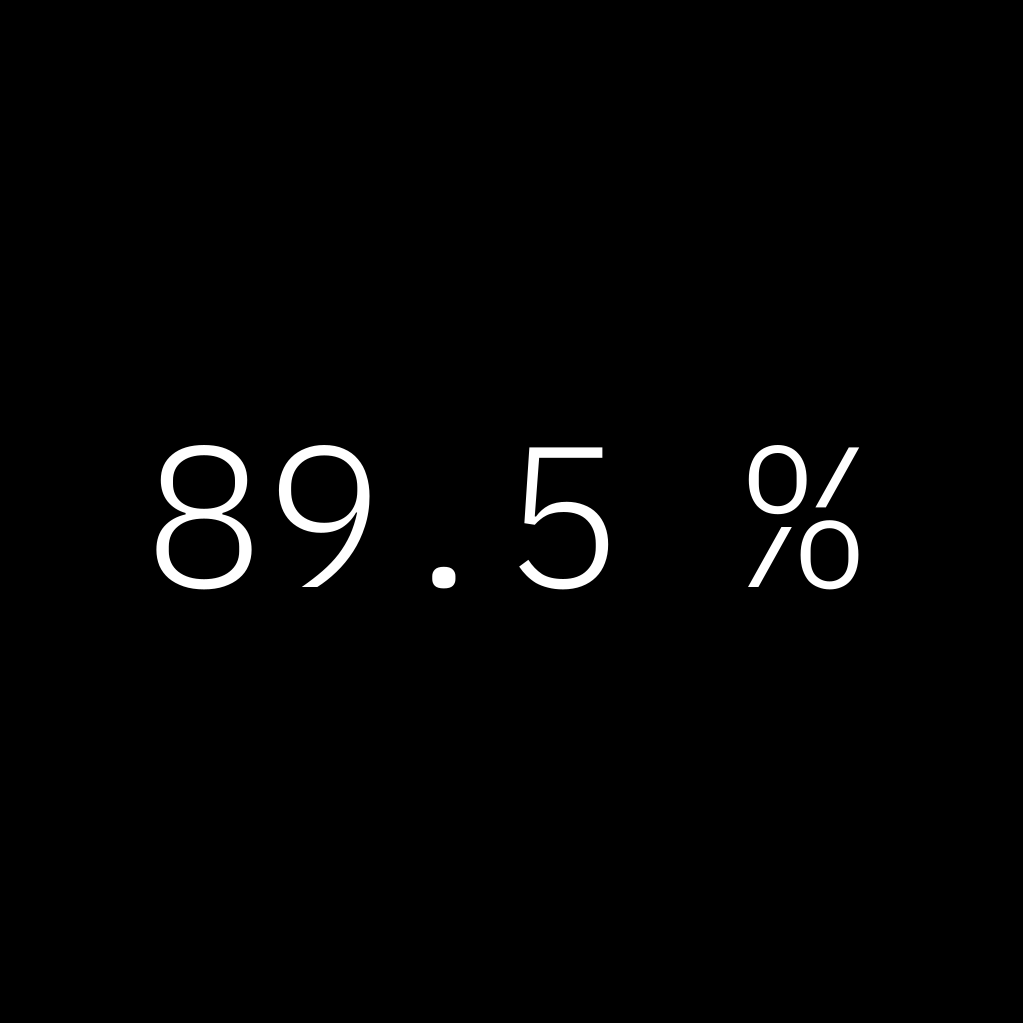
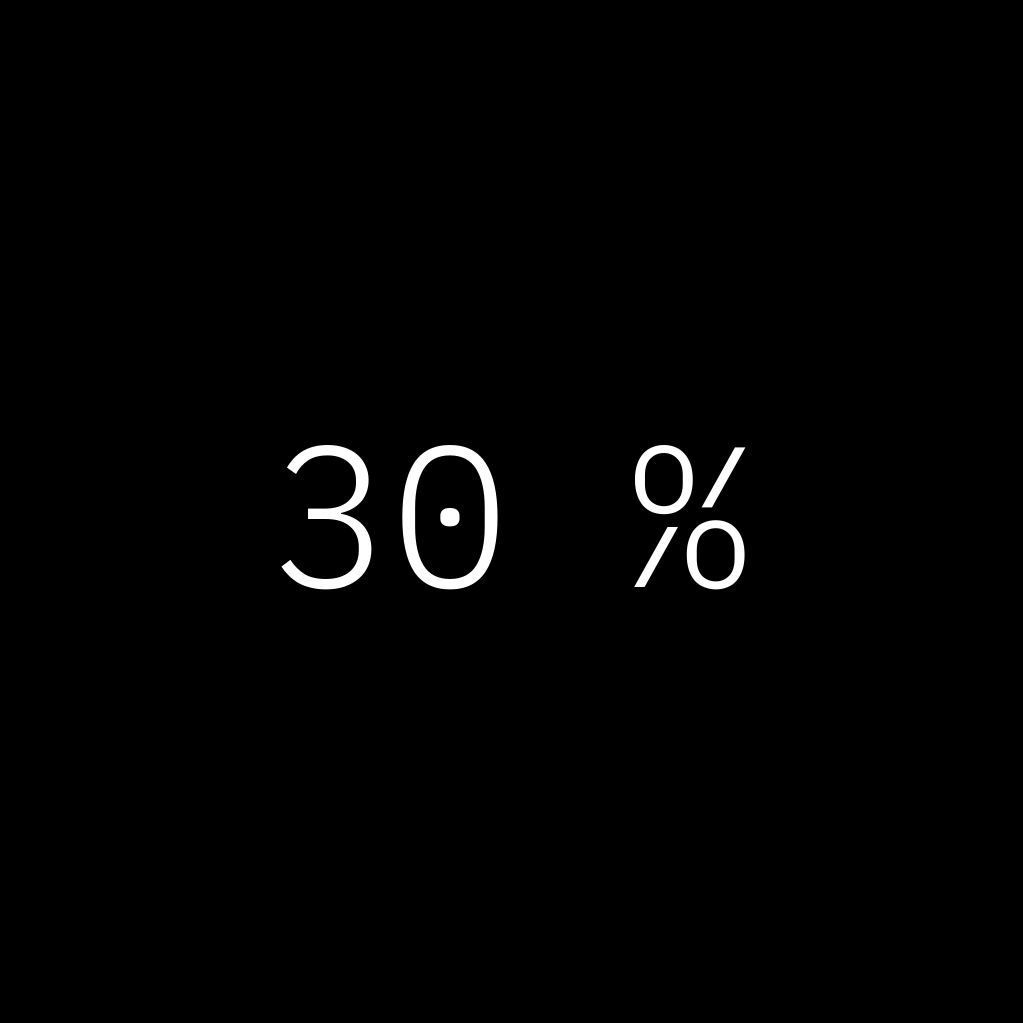
Model accuracy

Higher prediction accuracy and fewer misrouted cases.

Category update

Reduced downstream clarification.

NPS

Increased seller confidence at case creation.

Heated gear app