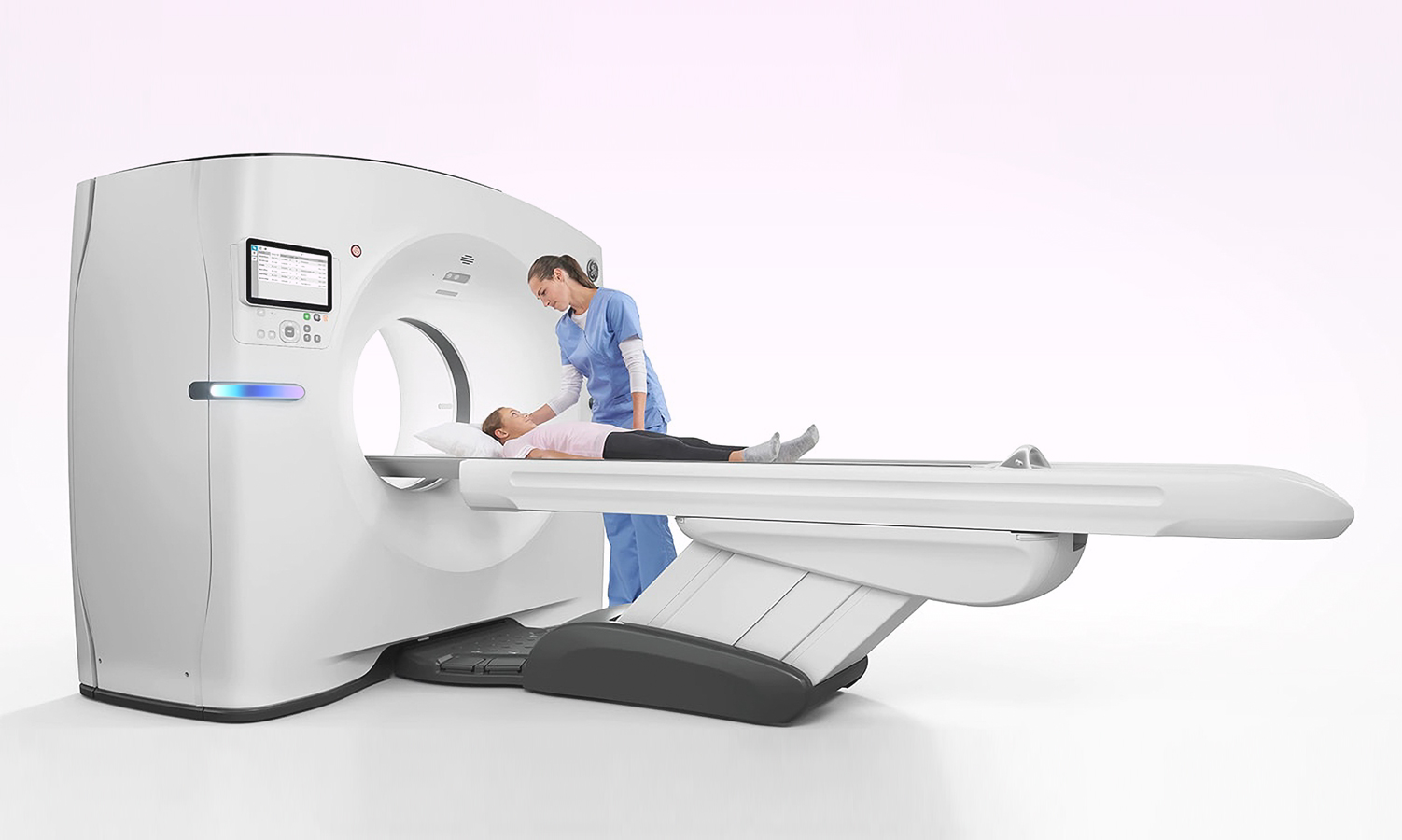
I provided new direction of core visual guidelines for the Edison Design System and expanded a multiplicity of components with use cases, guidelines and overall documentation. Role: Staff Senior UX Designer. Discipline: UX | UI
The Edison Design System aims to reflect the design principles of the current GE Healthcare and drive the design direction of the future GE Healthcare. A first pass at defining software design principles was conducted in 2018 by the UX team.
These were revisited through a designer survey and designer roundtable discussion that included input from thirty designers across healthcare.
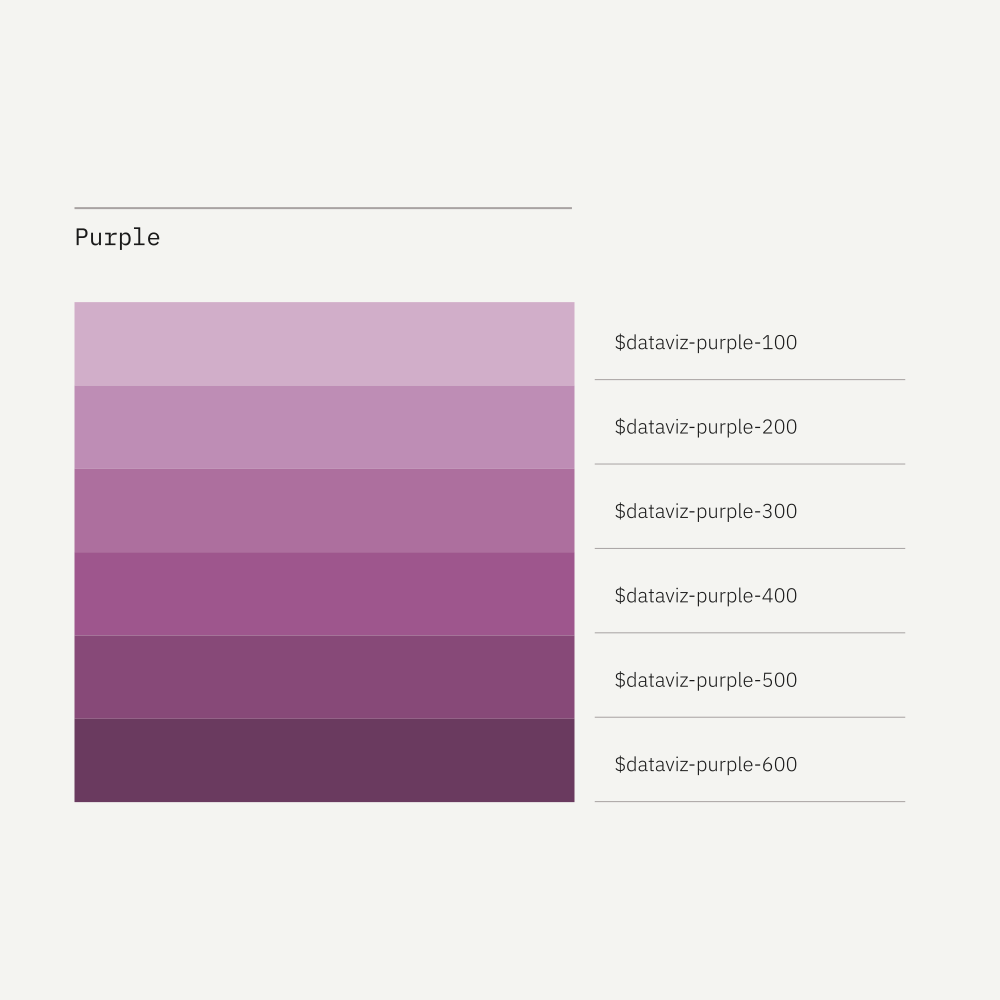
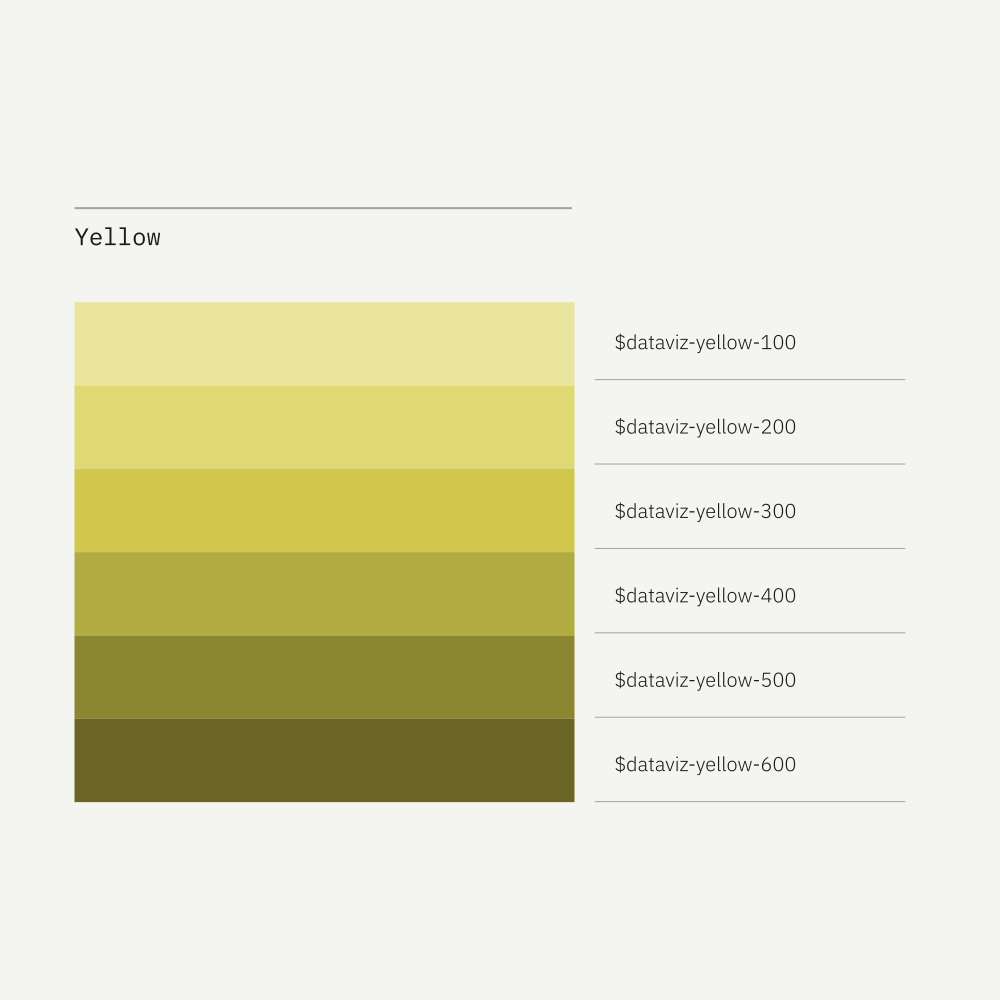
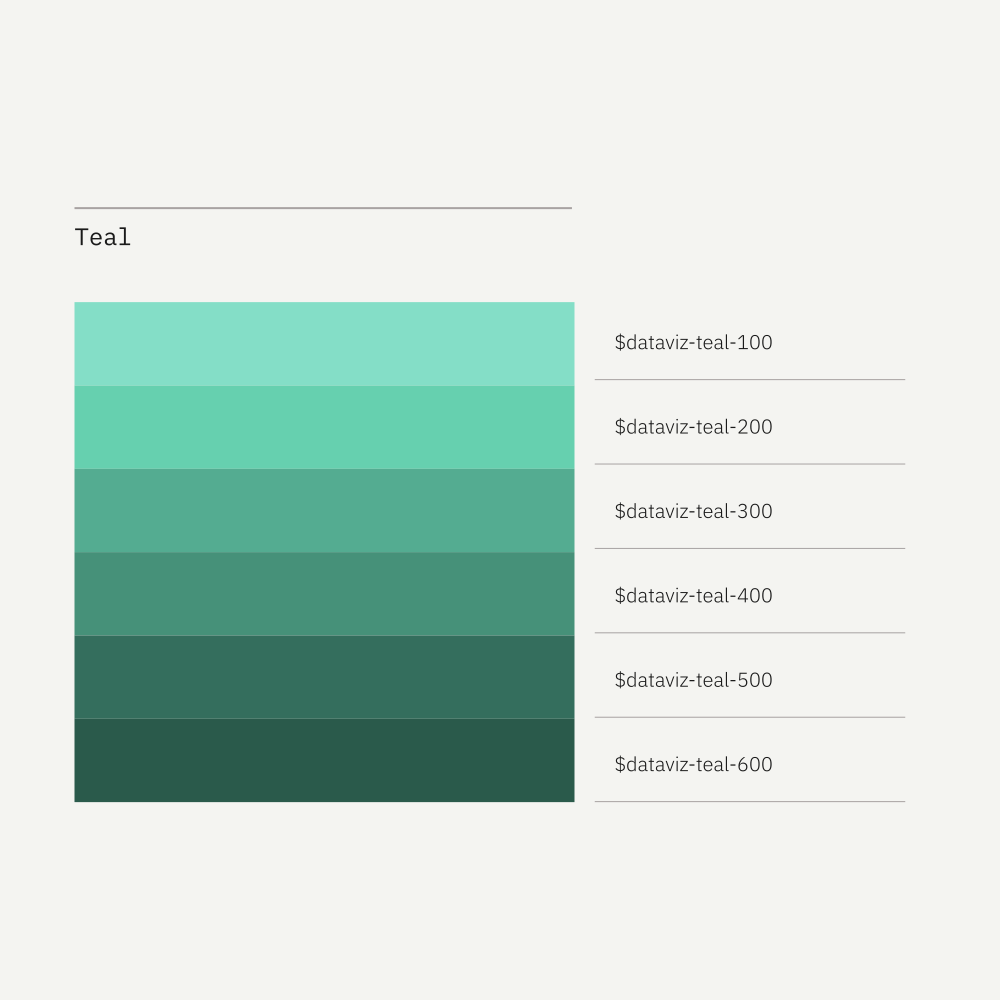
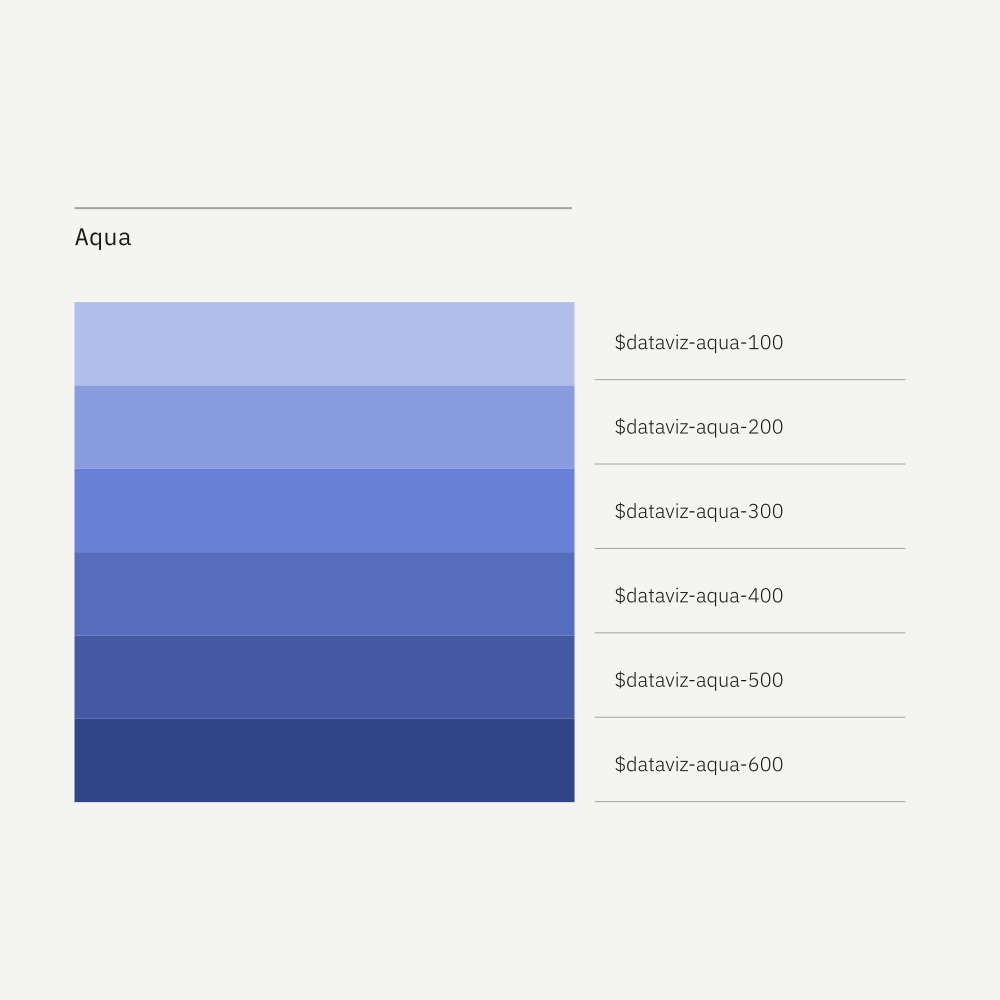
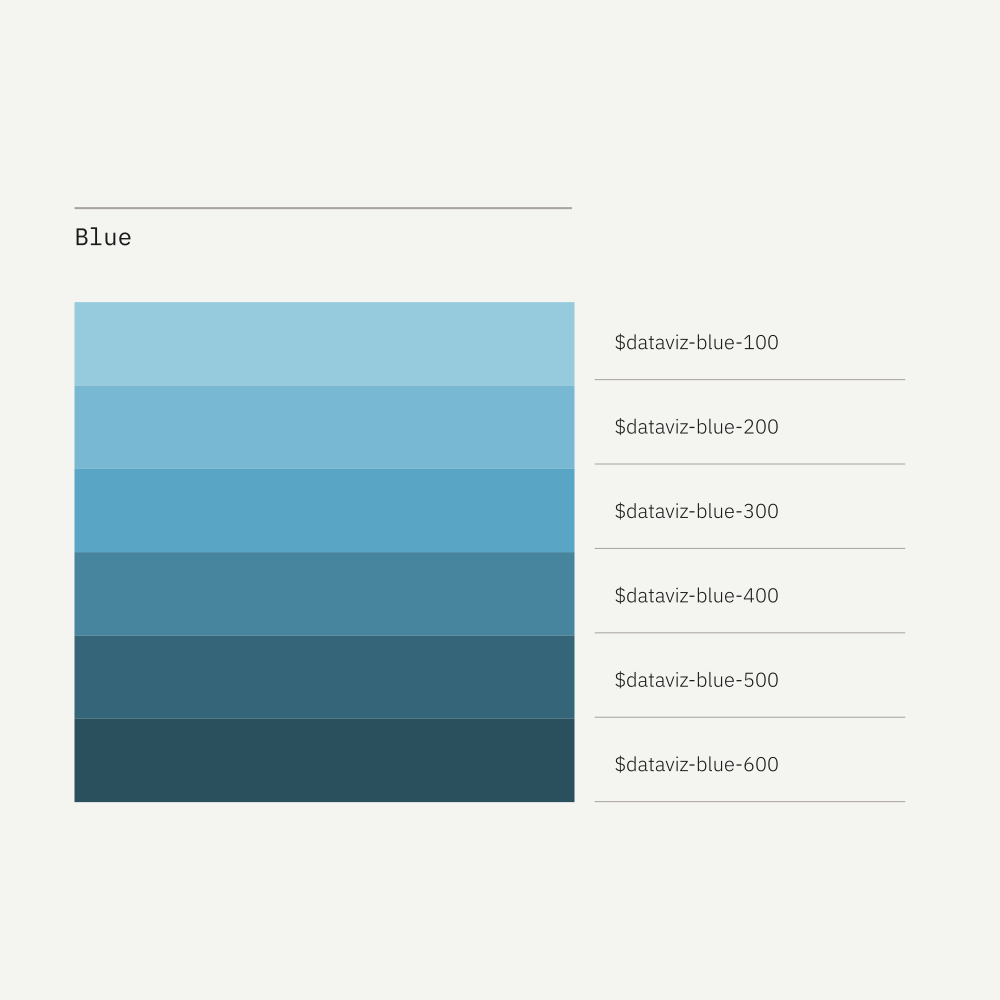
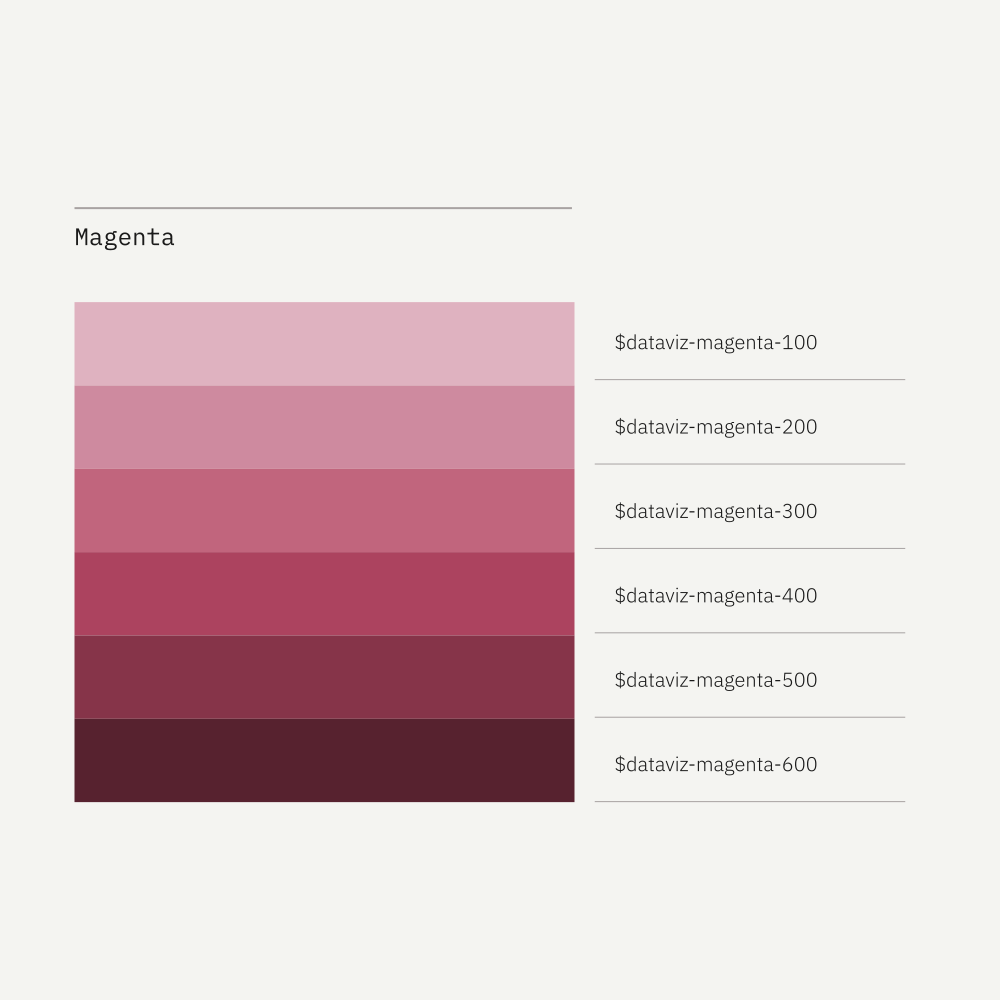
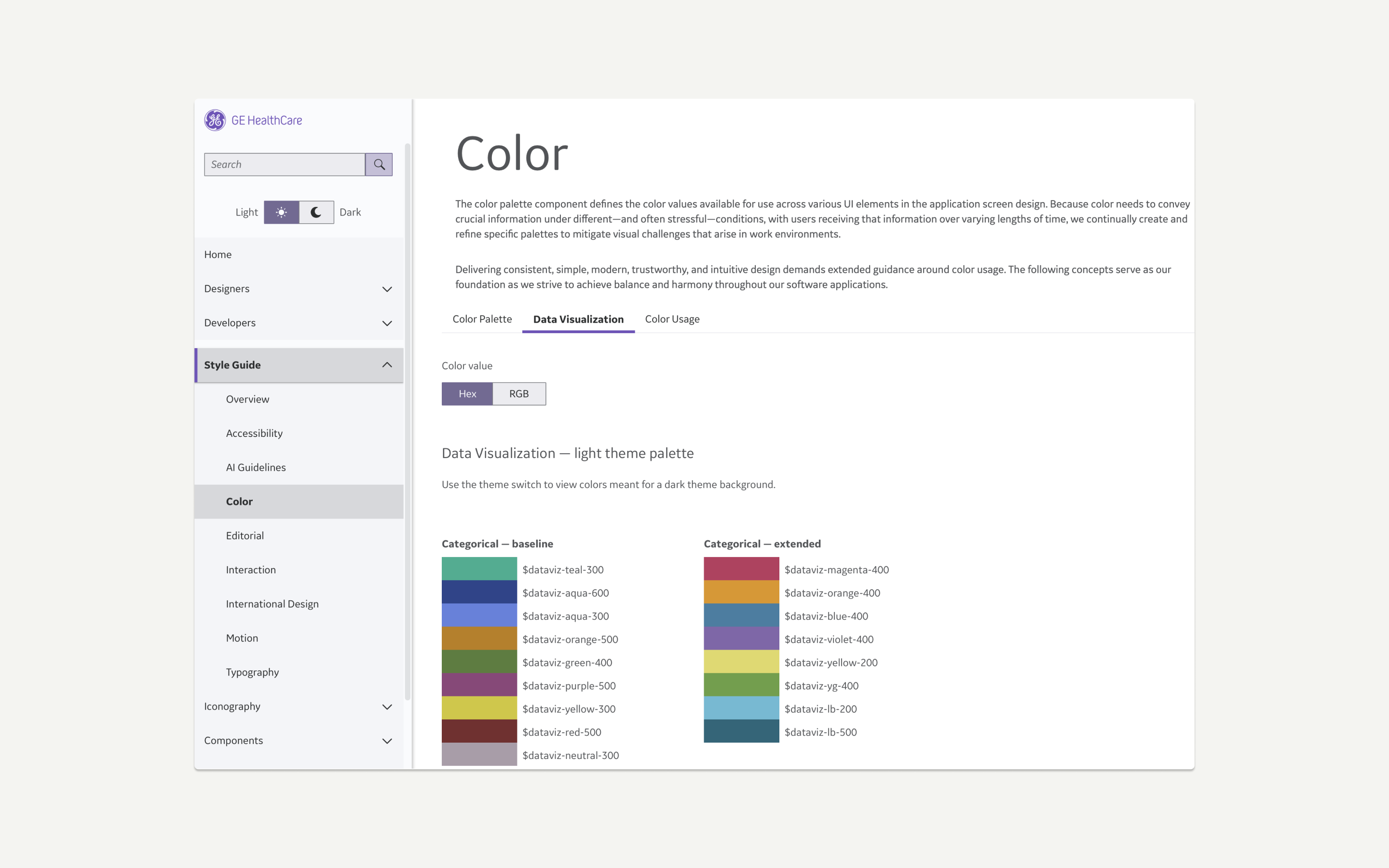
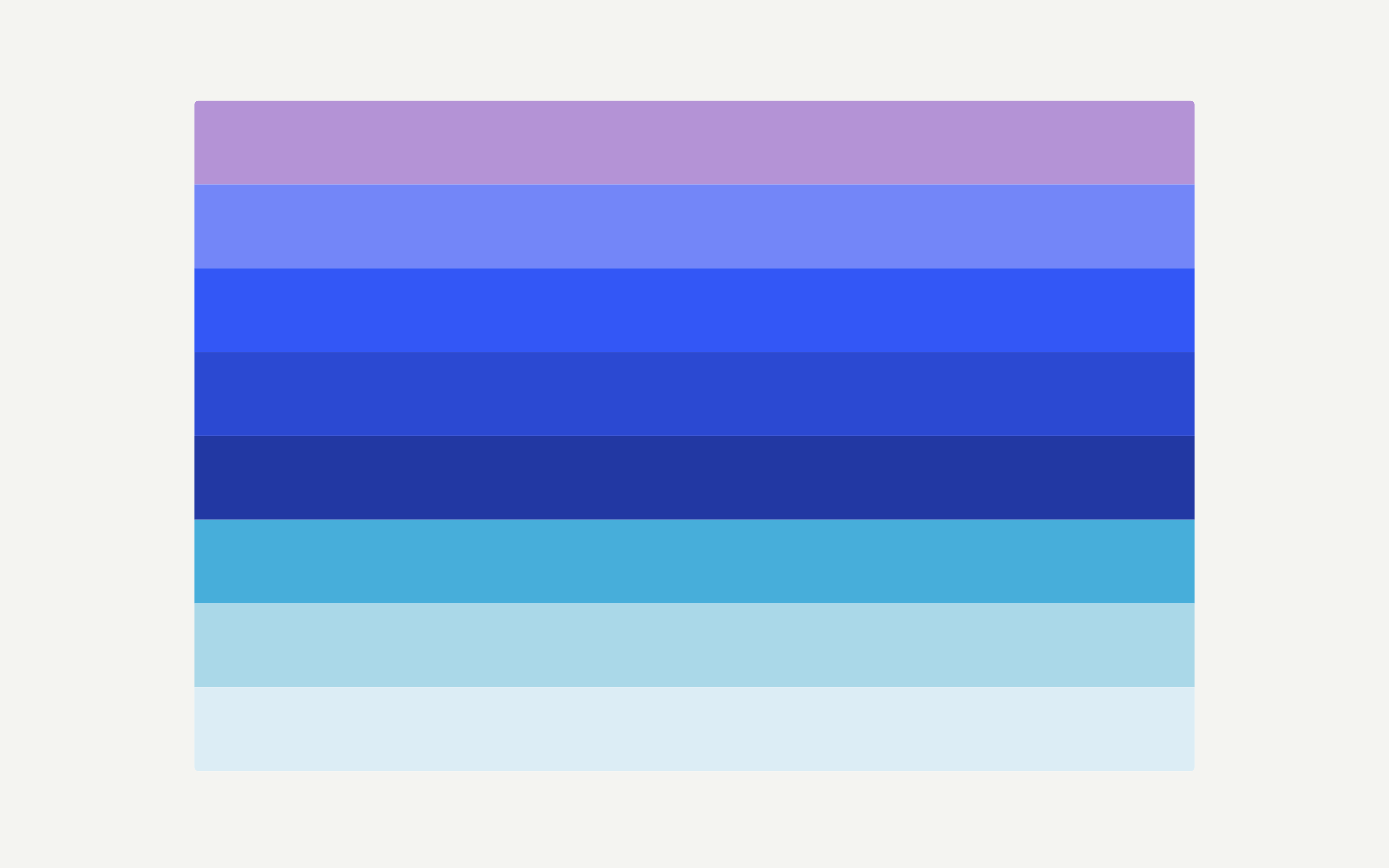
The color palette component defines the color values available for use across various UI elements in the application screen design. Because color needs to convey crucial information under different—and often stressful—conditions, with users receiving that information over varying lengths of time, we continually create and refine specific palettes to mitigate visual challenges that arise in work environments.

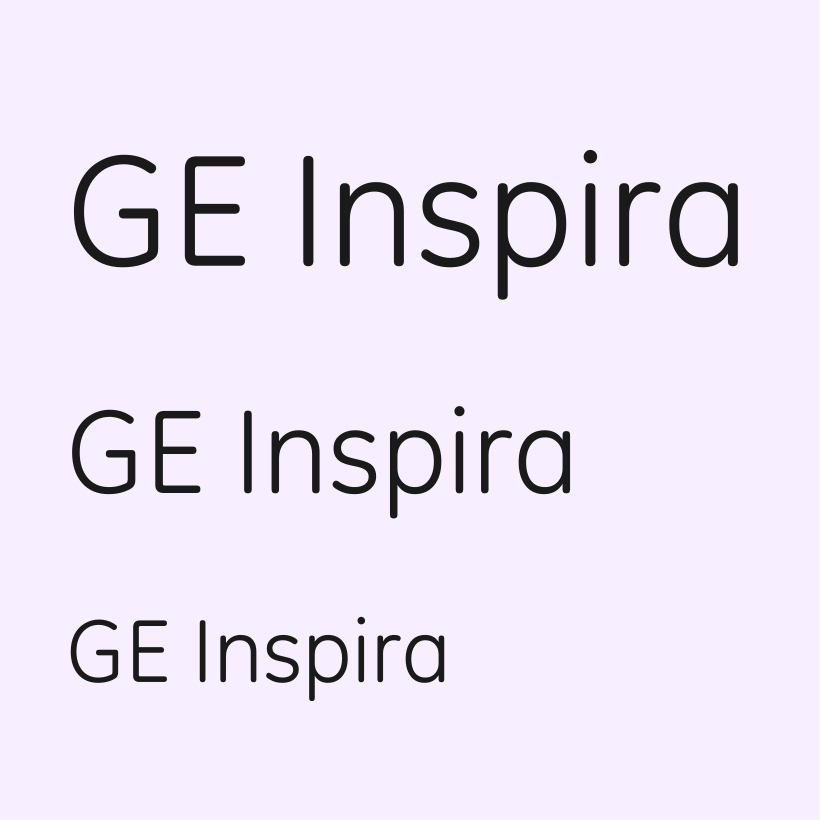
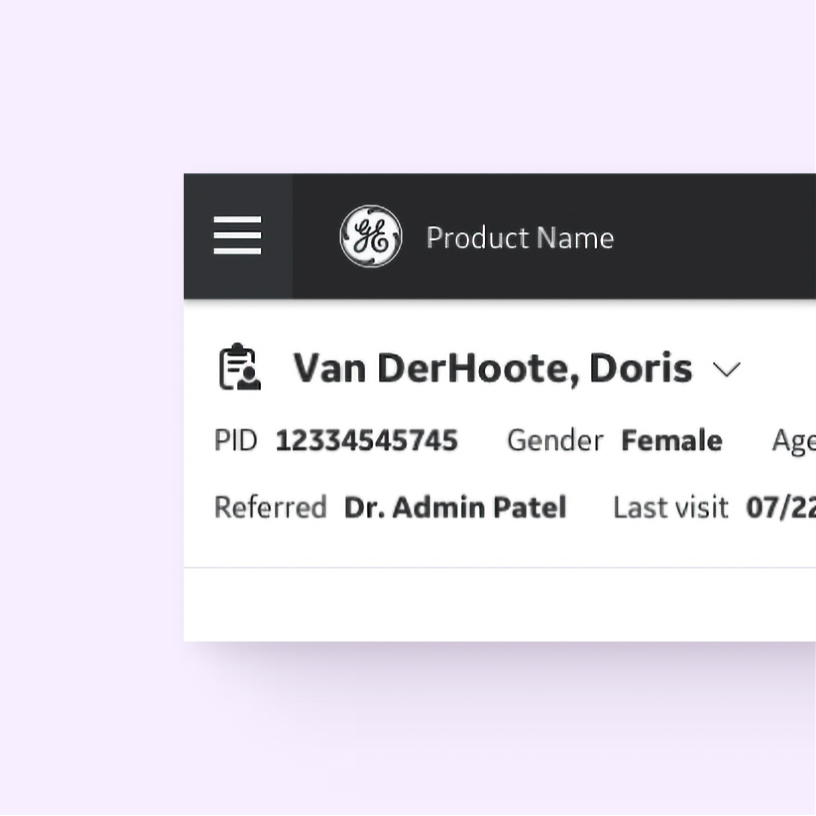
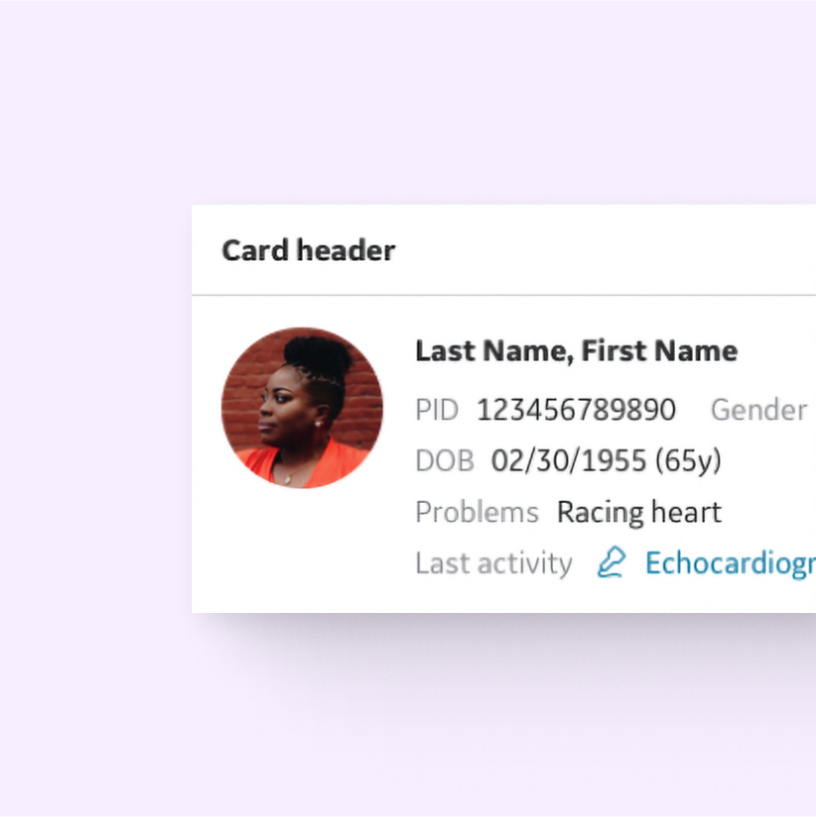
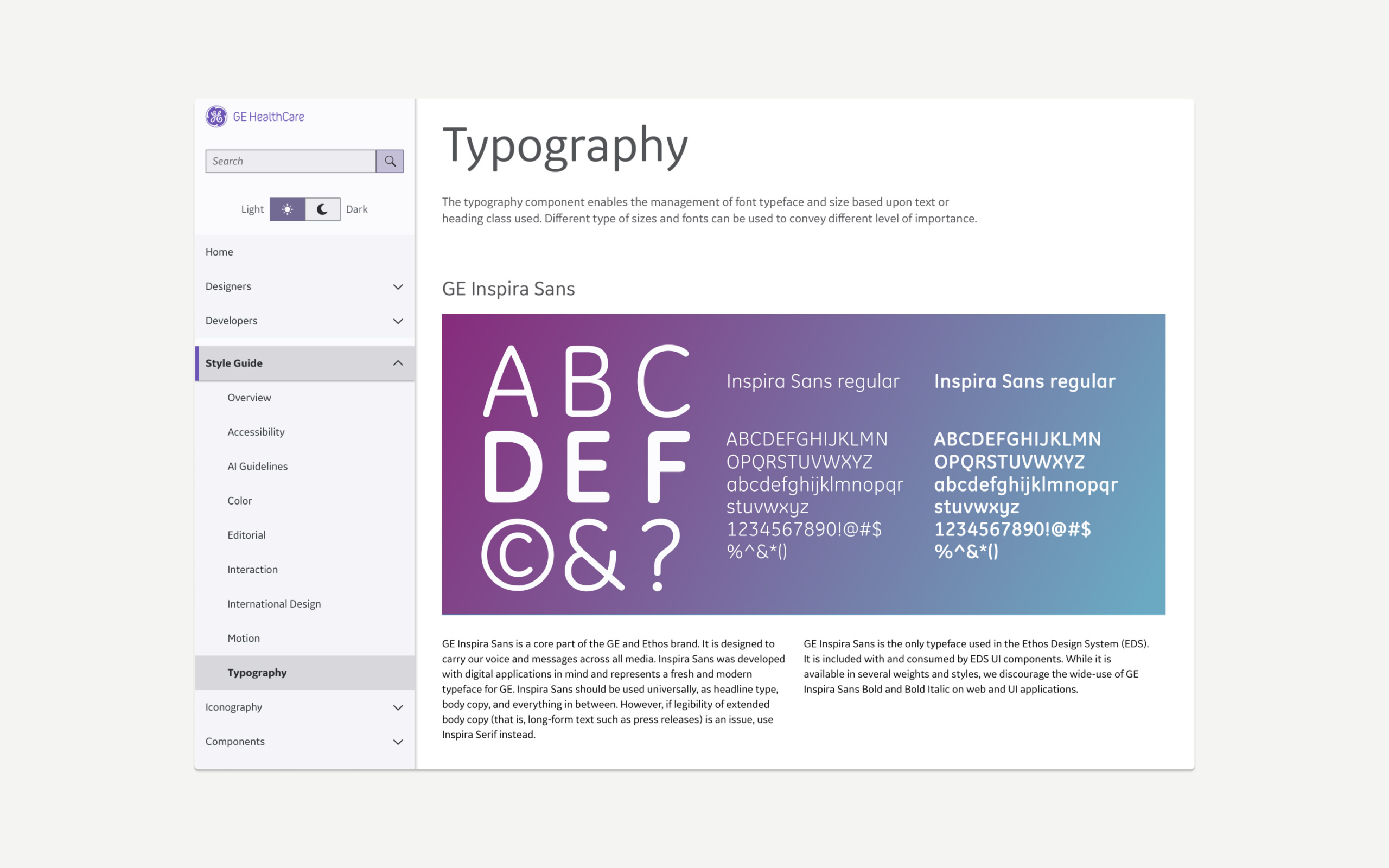
Typography plays a fundamental role in maintaining a cohesive user interface (UI) design. The Edison Design System (EDS) uses a single typeface, GE Inspira, across all GE HealthCare applications and websites. This contemporary and versatile font is integral to GE HealthCare branding and is integrated into EDS components.
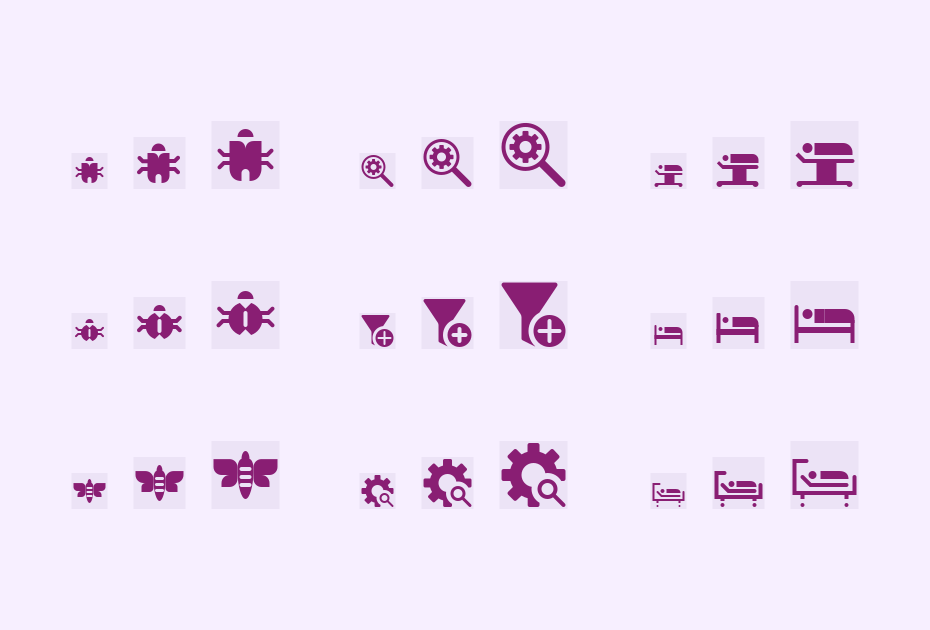
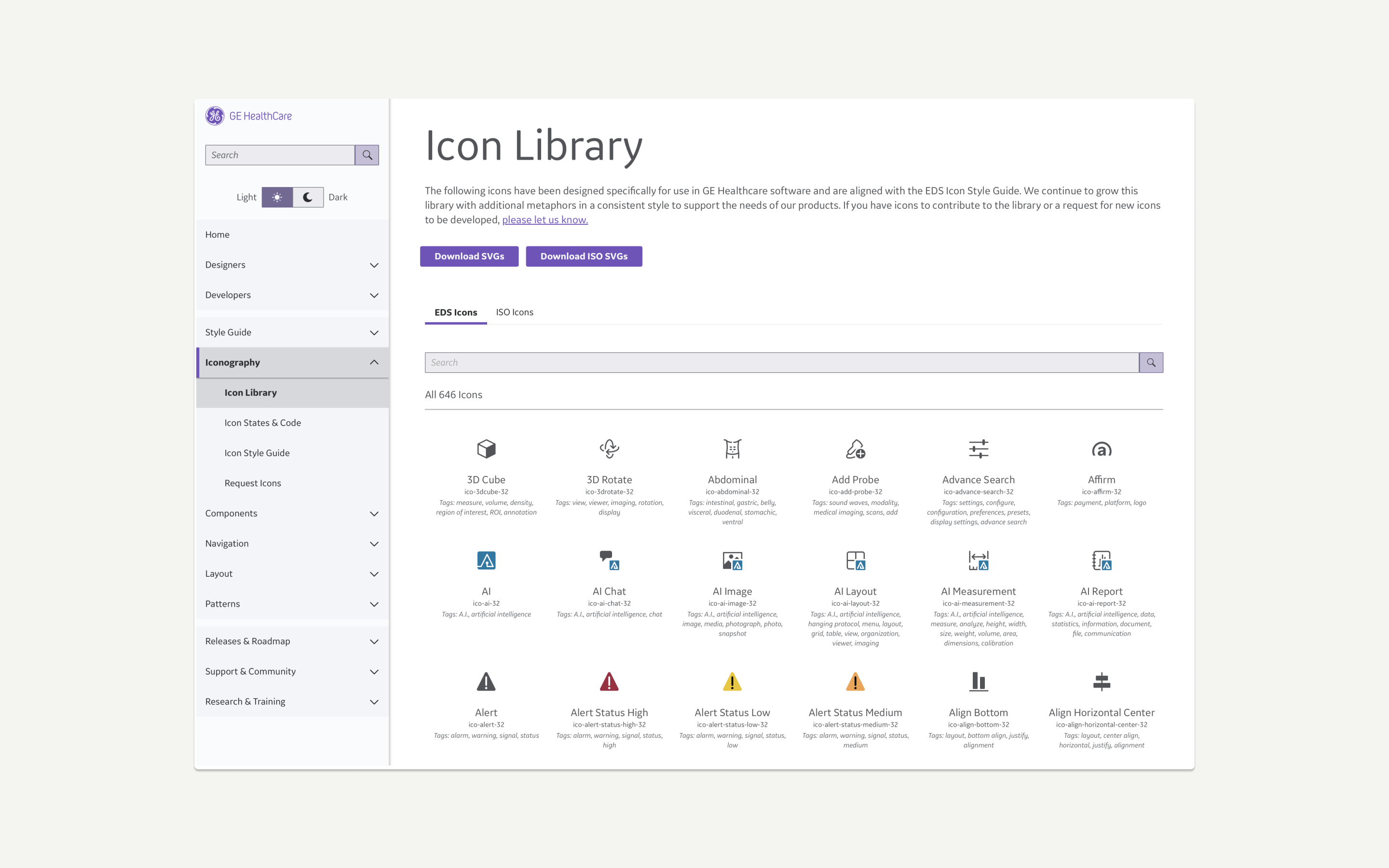
Icons are visual symbols leading to an action or representing a function on a user interface (UI). GE HealthCare has an extensive set of icons for use across applications and websites, ranging from simple metaphors to niche medical terminology.
I closely partnered with UX research team to comply with usability findings for data visualization in color usage and accessibility. Extensive iteration to generate color families for categorical color palettes as a first phase.

GE Inspira was designed by Mike Abbink
GE Inspira™ Sans and Serif extend the original Inspira typeface, supporting robust text needs across GE user experiences while preserving its core DNA. The family includes eight styles—four serif and four sans—designed to work together or stand alone.
Typography imparts purposeful texture, guiding users to effortlessly grasp the hierarchy of information. The right typographic treatment and intentional use of type styles helps manage the presentation of content, keeping it useful, simple, and effective.
Be selective with the use of bold. The EDS visual language is designed with accessibility and readability in mind. Overusing bold can make an interface heavy and difficult to identify important information. Use Inspira Sans Bold in limited situations such as section headlines and creating hierarchy within the layout.
Create a clear visual hierarchy by structuring information with headings, body, and other typographic elements. The hierarchy should guide users through the content, helping them understand its organization and importance.
GE Healthcare (GEHC) has an enormous icon set that ranges from simple metaphors to niche medical and imaging terminology.Metaphors should be simple, intuitive, relevant to context, and easily understood. Keep an international audience in mind for localized versions of the software. Icons are one element that, when designed to uniform standards, delivers high value to customers and tangible results in relation to patient safety.
When it comes to designing icons, pixel-perfection is a matter of patient safety. At such small sizes, an imprecise icon line translates into blur, which can mean the difference between a user selecting the right input and potentially making an error. The clean design is easily identified in clinical settings, and because the overall design has been simplified with a global audience in mind, all of GEHC's products around the world can more easily align to this new, simplified icon style.
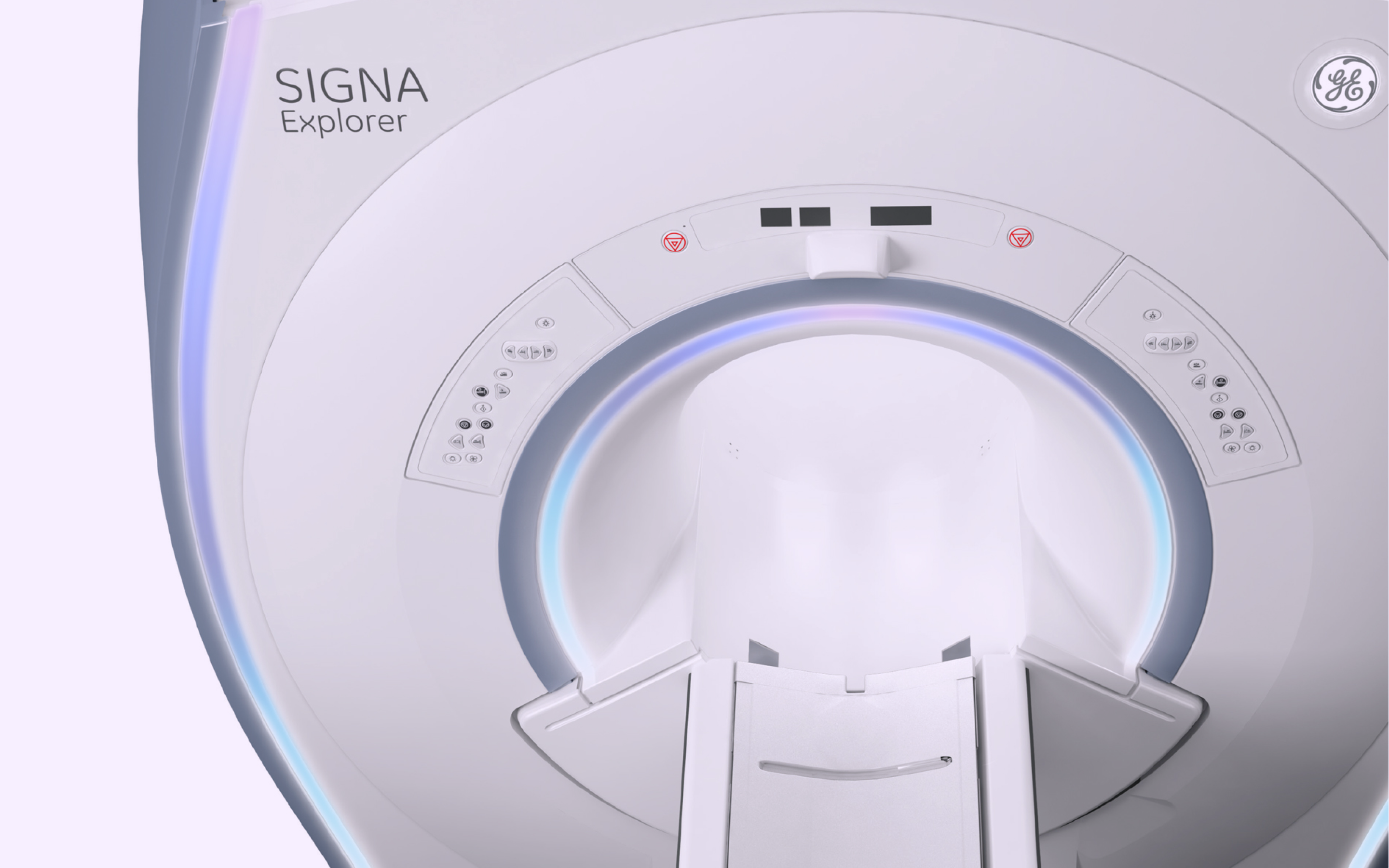
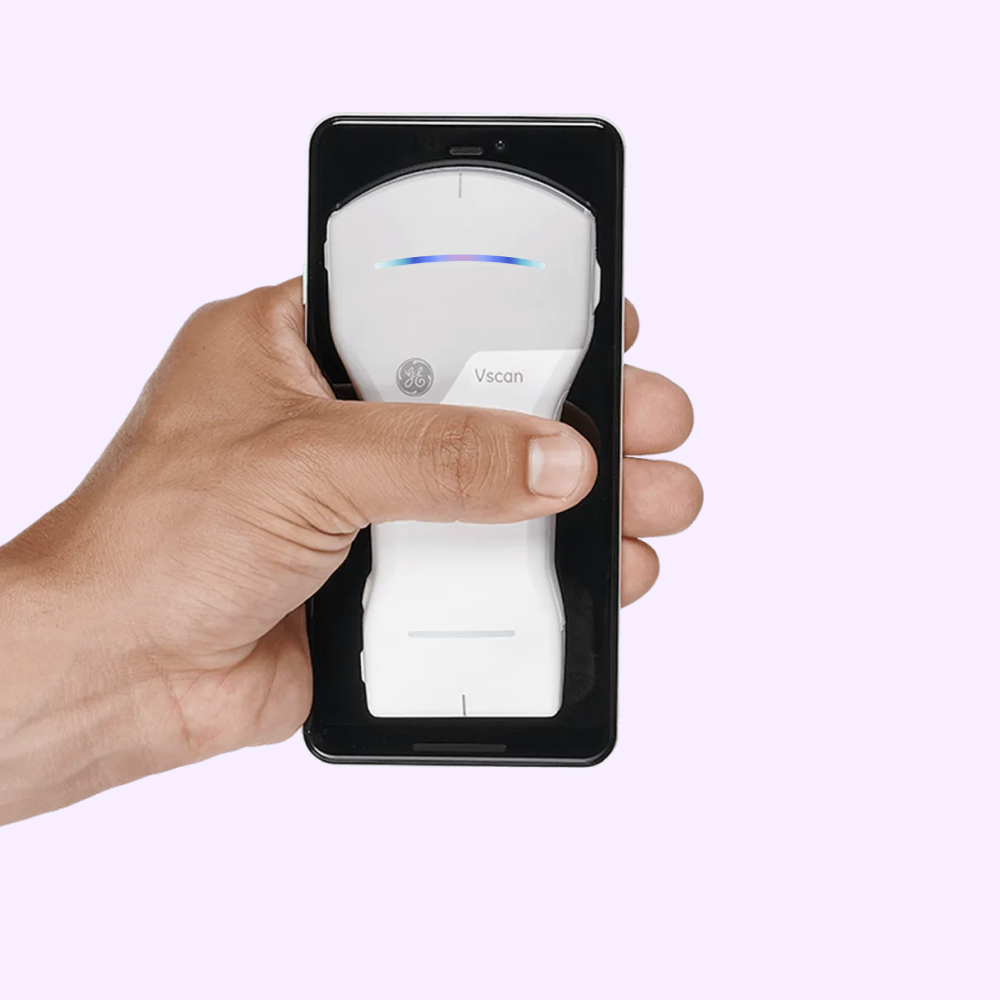
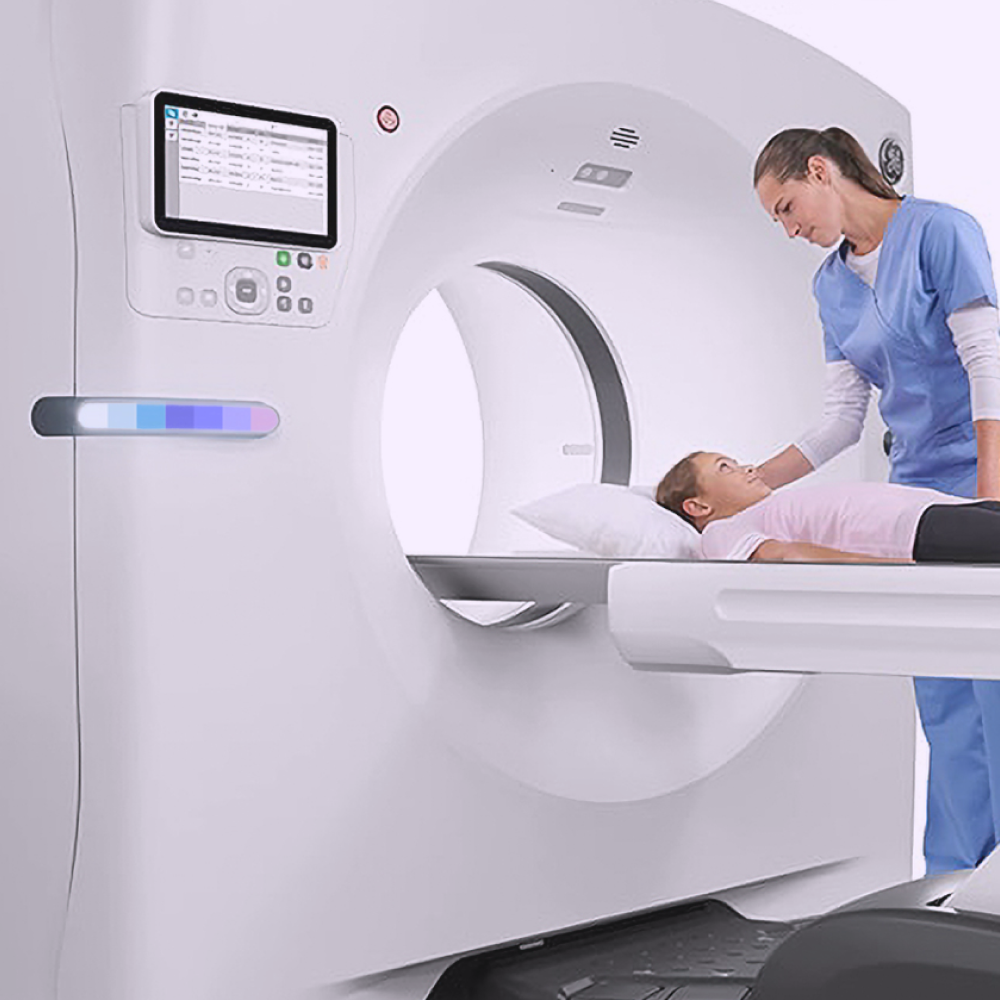
Applications
Color studies